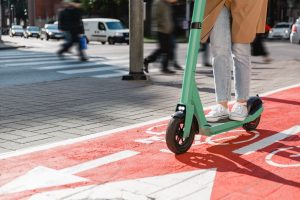
Getting around Maryland doesn’t always mean getting in a car. More and more people are choosing micromobility: small, low-speed modes of travel like bikes, e-bikes, and scooters. These rides are appearing more often, from college campuses to downtown streets to vacation towns across the state.
As micromobility grows, Maryland is working to make sure everyone stays safe, whether you’re riding, walking, or driving.
What Is Micromobility?
Micromobility includes small vehicles that travel at lower speeds and are often powered by humans or electricity.
Some common examples are:
- Bicycles
- Electric bicycles (e-bikes)
- Electric scooters (e-scooters)
These options make it easier for people to take short trips, travel farther than walking, or connect to buses and trains.
Who Uses Micromobility?
All kinds of people use micromobility in Maryland, including:
- College students getting to class
- Workers making deliveries
- Families and tourists exploring local areas
- People who utilize cycling or e-micromobility as their primary way to get to work, school, and essential services
Shared programs like bikeshare and scooter share are especially popular in the DC and Baltimore regions. In 2025 alone:
- Capital Bikeshare recorded more than 6.3 million trips
- Baltimore City’s dockless vehicles logged over 3 million trips
That’s a lot of riders — and a big reason why safety matters.
Rules That Help Keep Everyone Safe
Maryland has clear rules for micromobility to help protect riders and other road users.
Micromobility riders must:
- Obey all traffic signs and signals
- Yield to pedestrians
- Use lights when it’s dark or hard to see
- Wear a helmet if under age 16
- Park responsibly without blocking sidewalks (leave at least 4 feet of space)
Drivers must:
- Only pass when it’s safe
- Give at least 3 feet of space when passing
- Yield to micromobility users and pedestrians when turning
- Look carefully before opening car doors
These shared responsibilities are a key part of being Serious About Safety — everyone has a role to play.
Where Can You Ride?
Most micromobility devices can be used:
- On roads
- On sidewalks (unless a local rule says otherwise)
- In bike lanes where available
They cannot be used on controlled-access highways or toll roads.
Some important notes:
- In most Maryland state parks, only Class 1 e-bikes are allowed
- Local park rules may be different — always check ahead
- Bikes, e-bikes, and scooters are allowed on MTA and WMATA transit if space is available
- Gas-powered vehicles are not allowed on transit
Not All Small Vehicles Are the Same
Some vehicles look similar but follow different rules:
- E-bikes and e-scooters follow bicycle rules
- Golf carts, mopeds, and motor scooters often require licenses, insurance, or are not allowed on state roads
- Minibikes and dirt bikes are illegal on state roadways
Knowing what you’re riding — and where it’s allowed — helps prevent injuries and keeps roads safer for everyone.
Serious About Safety
Micromobility gives people more ways to move, but safety always comes first. When riders follow the rules, drivers stay alert, and pedestrians are respected, Maryland’s roads work better for everyone.
Being Serious About Safety means:
- Paying attention
- Sharing the road
- Making smart choices — no matter how you travel
To learn more about how the Maryland Department of Transportation defines micromobility, supports local programs, and integrates biking and e-scooter transportation across the state, visit MDOT’s Micromobility in Maryland resource page.
Small rides can make a big difference when we all do our part. Let’s make sure that everyone gets home safely!